Who is Eduardo Ávila? The Director and Creative Philosophy Behind Mango Films
keywords
(Eduardo Ávila / Creative Philosophy / Commercial Director)
(4 MIN READ)
From self-taught filmmaker to founder of one of Guadalajara’s most established creative production studios.
Eduardo Ávila did not study film. He started as a designer at an advertising agency in Guadalajara, discovered the world behind the camera through the making-of segments of Star Wars, and eventually directed his first commercial because there was no production house in the city capable of handling a client’s brief and no budget to go to Mexico City. That commercial worked. Another followed. Then another. That is how Mango Films began, roughly 25 years ago, and how it grew into one of Guadalajara’s most established creative production studios, with clients including Coca-Cola, Honda, Nestlé, and McDonald’s, and projects like the FICG Minuto for FICG 41 that demonstrate the range of what the studio produces when the creative stakes are high.
In a recent conversation on Gen Creativo, the podcast hosted by Alfredo ‘Chili’ Aceves, Eduardo reflected on creativity, process, and what it actually takes to build a studio that doesn’t lose its soul.
Introduction
Eduardo Ávila did not study film. He started as a designer at an advertising agency in Guadalajara, discovered the world behind the camera through the making-of segments of Star Wars, and eventually directed his first commercial because there was no production house in the city capable of handling a client’s brief and no budget to go to Mexico City. That commercial worked. Another followed. Then another. That is how Mango Films began, roughly 25 years ago, and how it grew into one of Guadalajara’s most established creative production studios, with clients including Coca-Cola, Honda, Nestlé, and McDonald’s, and projects like the FICG Minuto for FICG 41 that demonstrate the range of what the studio produces when the creative stakes are high.
In a recent conversation on Gen Creativo, the podcast hosted by Alfredo ‘Chili’ Aceves, Eduardo reflected on creativity, process, and what it actually takes to build a studio that doesn’t lose its soul.
How does Eduardo Ávila define his relationship with creativity?
Eduardo’s relationship with creativity is, in his own words, one of love and hate. “Creativity has given me basically everything I have done in my life,” he said. “I have never dedicated myself to anything that does not have to do with it.” But his understanding of creativity goes beyond the professional. For Eduardo, creativity is not a skill or a talent reserved for artists. It is a fundamental characteristic of what it means to be human. “We all express creativity in one way or another,” he said. “As a species, we live very much in the imagination: borders, money, relationships, all of that is also part of an imaginary we constructed.”
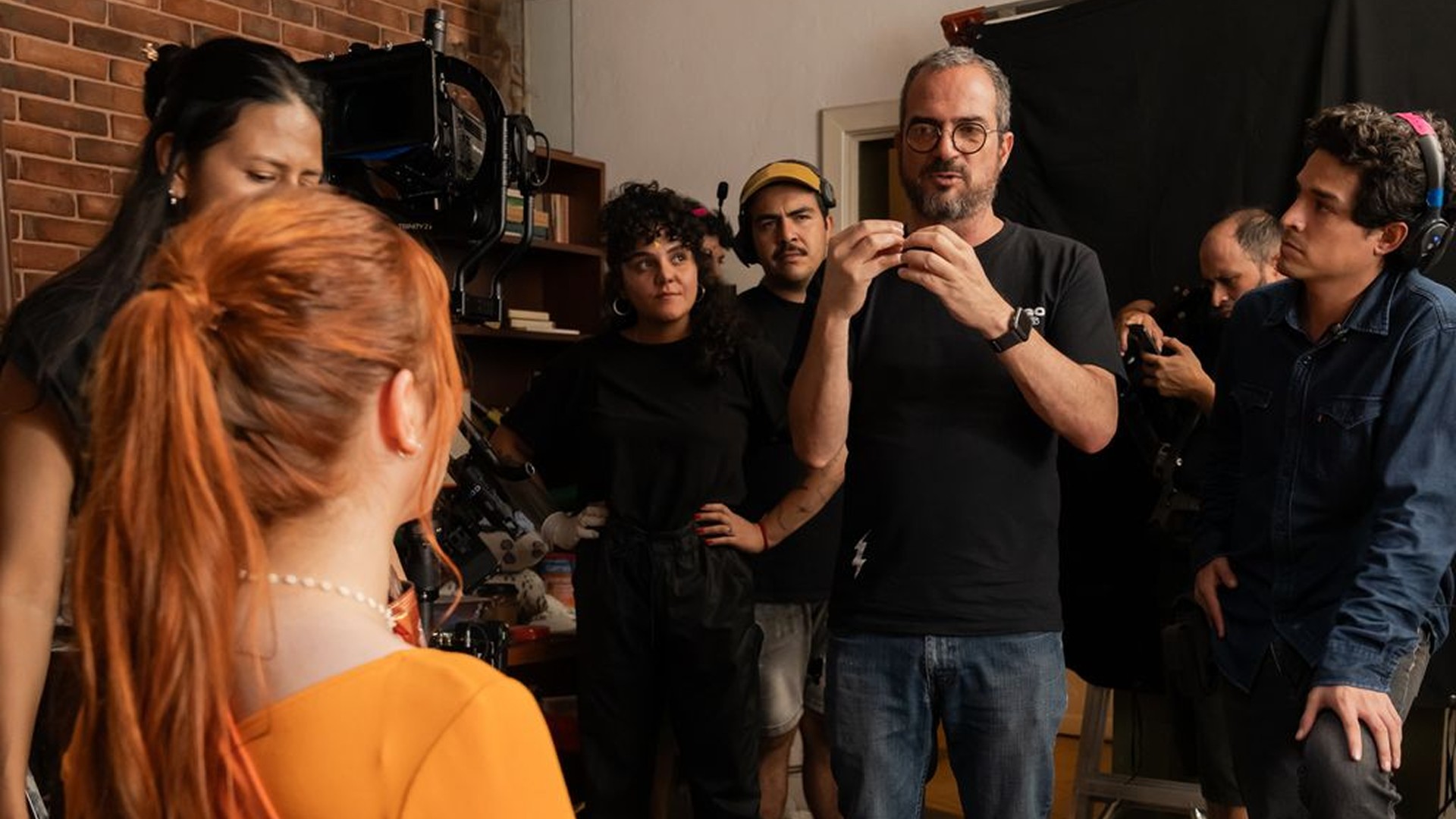
That framing shapes how creativity is treated at Mango Films. It is not the exclusive domain of the director or the creative director. It is something the entire team participates in, which influences everything from how briefs are interpreted to how sets are run.
Why boredom is the engine of creativity
Eduardo Ávila is open about the fact that his own creative process is not linear. “I am very scattered,” he said. “It is very hard for me to get started. I sit down, I turn on the computer, and immediately I get distracted by something else.” He is clear that this is a description of his mental process, not his professional output. His practical solution is to clear pending tasks first, creating mental space before trying to generate ideas. He works best early in the morning with fewer distractions, and relies heavily on walking as a creative tool. Ideas that come during a walk get recorded as voice notes and revisited later.
The more important insight he shares is about the nature of brainstorming itself. “We have this idea that we have to come up with great ideas from the beginning, but no,” he said. “It is a brainstorm, not a good-ideas storm. You have to let the obvious ideas out first, the bad ones, the absurd ones. Only then do more interesting connections start to appear.”
That approach extends to how he runs collaborative sessions at Mango Films. The condition for a good brainstorm, in his view, is leaving the ego at the door. “I have been in brainstorming sessions that become a competition to see who says the most brilliant idea,” he said. “And that kills everything, because then people stop saying things for fear of being shot down. But many times it is exactly those throwaway ideas that lead somewhere good.”

Mango’s creative philosophy: hazlo chingón
The phrase that defines Mango Films’ internal culture is “hazlo chingón,” which translates loosely as “make it great” but carries a weight that the translation loses. For Eduardo, it is not a standard of output. It is a standard of process.
“It is not just about delivering something great,” he said. “It is about having a great process. Enjoying the work, getting the best out of yourself, working well with people.” The distinction shifts the focus from the finished product to the daily decisions that produce it. “It does not matter what you have done before, the awards, the prestige,” he said. “What matters is what you are going to do today.”
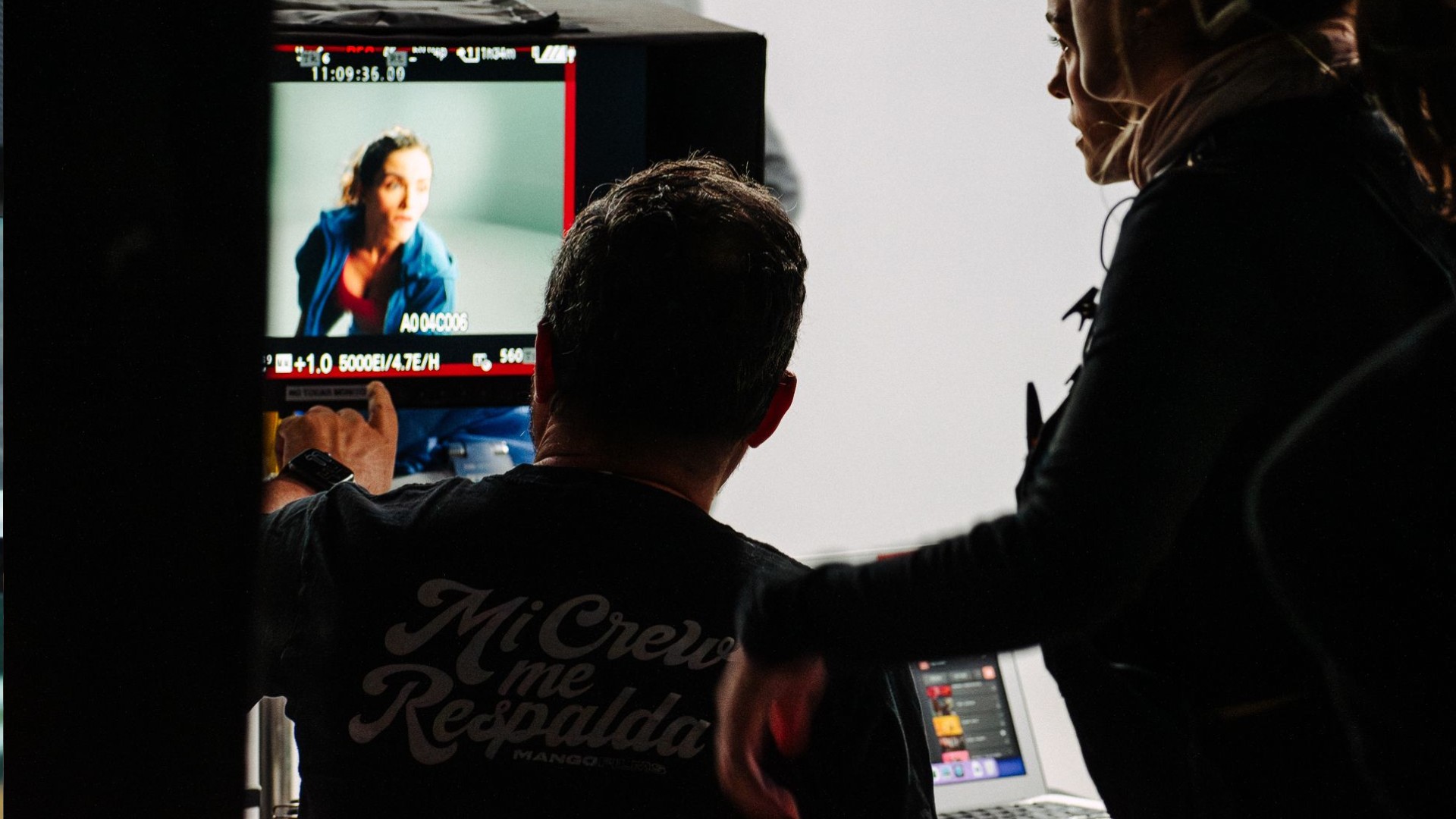
That philosophy is reflected in how the Mango Films studio operates. The office is colorful and open, with music, plants, and an atmosphere designed to feel like a creative space rather than a corporate one. But Eduardo is careful to distinguish between a relaxed environment and a lack of rigor. “Tu crew te respalda,” the crew has your back, runs through the studio’s culture. It implies both camaraderie and accountability. “If we agreed on something, it has to happen,” he said. “If we said green, it is green.”
Working with clients: co-creation over ego
The client relationship in commercial production is where creative philosophy meets commercial reality. Eduardo is clear-eyed about the tension. “You have to leave your ego aside,” he said. “Your idea might appeal to you a lot, but it is not ‘your’ idea. It is part of a mechanism for a brand and for a specific audience.”
His approach to client work is framed as co-creation rather than execution. Understanding the client’s objectives, the client’s client, and the broader marketing ecosystem is as important as the creative concept itself. “What matters is doing it as well as possible, with creative integrity,” he said, “whether it is a huge project or something much more commercial.”
Key Takeaways
- Eduardo Ávila built Mango Films without formal film training, learning through error and a deliberate practice of surrounding himself with people who knew more than he did.
- His central argument about creativity is structural: boredom is essential to the creative process, and modern life is designed to eliminate it.
- His brainstorming process is built on releasing obvious and bad ideas first, creating the conditions for more interesting connections to emerge later.
- “Hazlo chingón” at Mango Films refers to the process, not just the output. What matters is how the work is done today, not what was achieved before.
- “Tu crew te respalda” defines the studio’s culture: camaraderie and high expectations coexist, and the team is accountable to both.
- Client work is approached as co-creation, requiring the director to understand not just the brief but the brand, the audience, and the broader marketing ecosystem.