Commercial Video Production in Mexico: Why International Brands Are Moving South
keywords
(Commercial Video Production / Filma Jalisco / International Commercials)
(6 MIN READ)
Mexico offers international brands 30 to 50% lower production costs than the US or Western Europe, world-class directors, bilingual crews, and state-level cash rebates through Filma en Jalisco. During the 2023 Super Bowl, six of the 35 commercials that aired were produced in Mexico.
Introduction
During the 2023 Super Bowl, six of the 35 commercials that aired were produced in Mexico. Not for Mexican audiences, and not for Spanish-language campaigns, but for the biggest advertising stage in the United States, watched by over 100 million people. This is not an anomaly, it is a structural shift.
International brands across automotive, tech, food, sports, and fashion have been scaling their high-end commercial video production work in Mexico for years, moving beyond Mexico City to rising creative hubs like Guadalajara, Jalisco. This article breaks down why, and what working with a Mexican creative production studio actually looks like operationally.
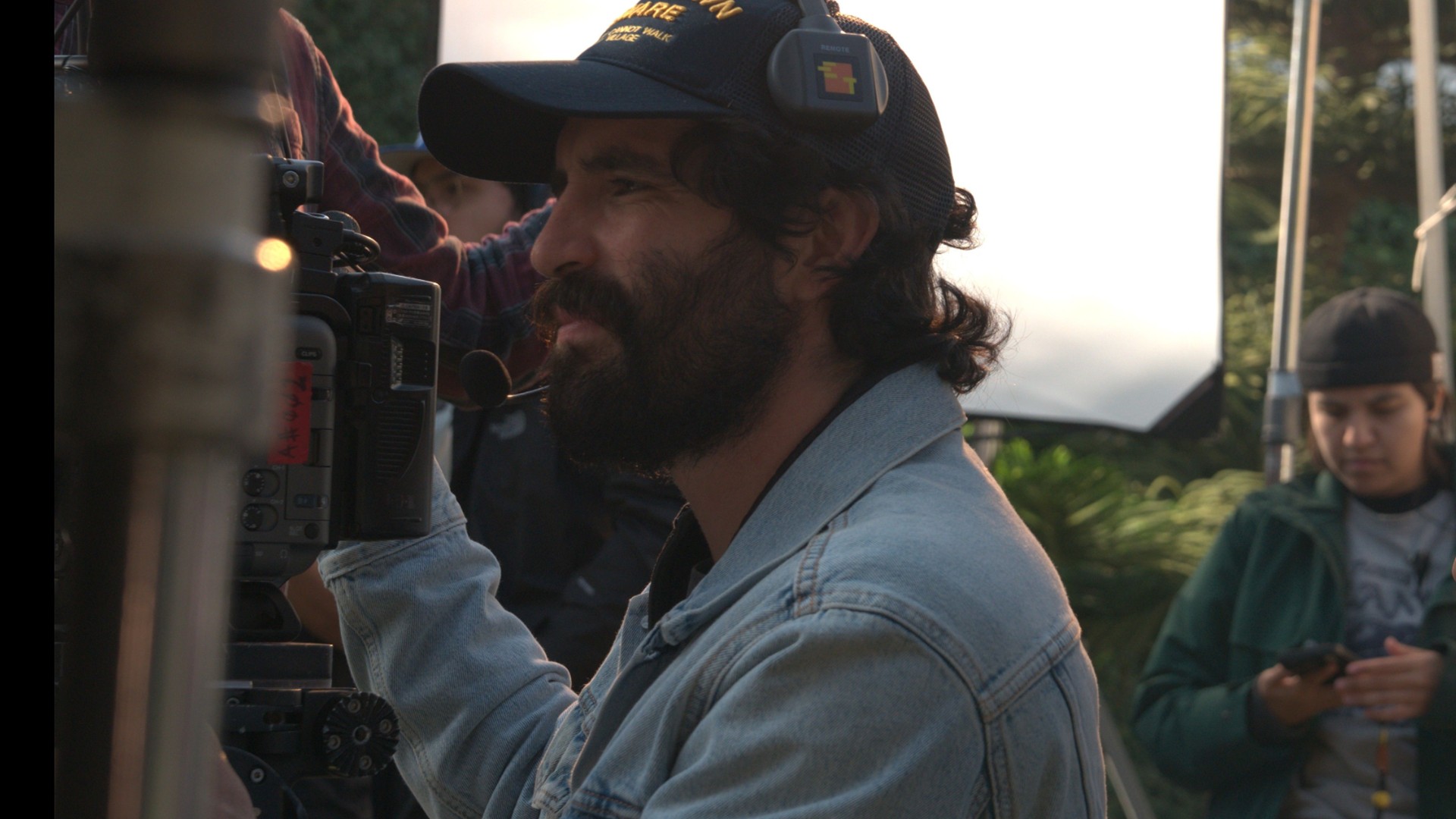
How is the video production industry in Mexico structured?
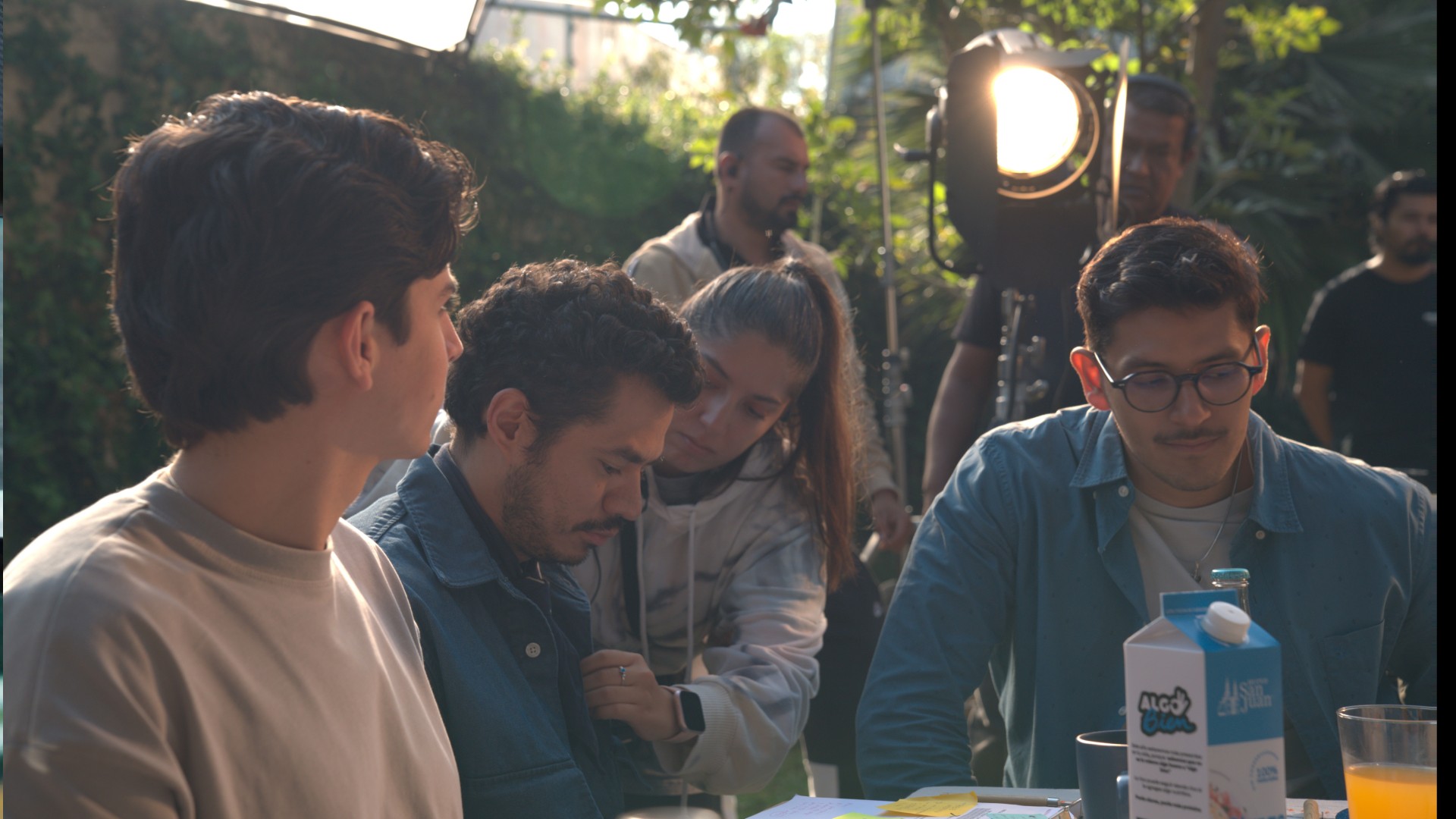
The video production industry in Mexico operates as a two-tier ecosystem: full-service creative production studios that own the concept-to-delivery pipeline, and line production services that support foreign productions with local infrastructure. Both tiers run under US and European workflows, with bilingual crews and international delivery specs as standard.
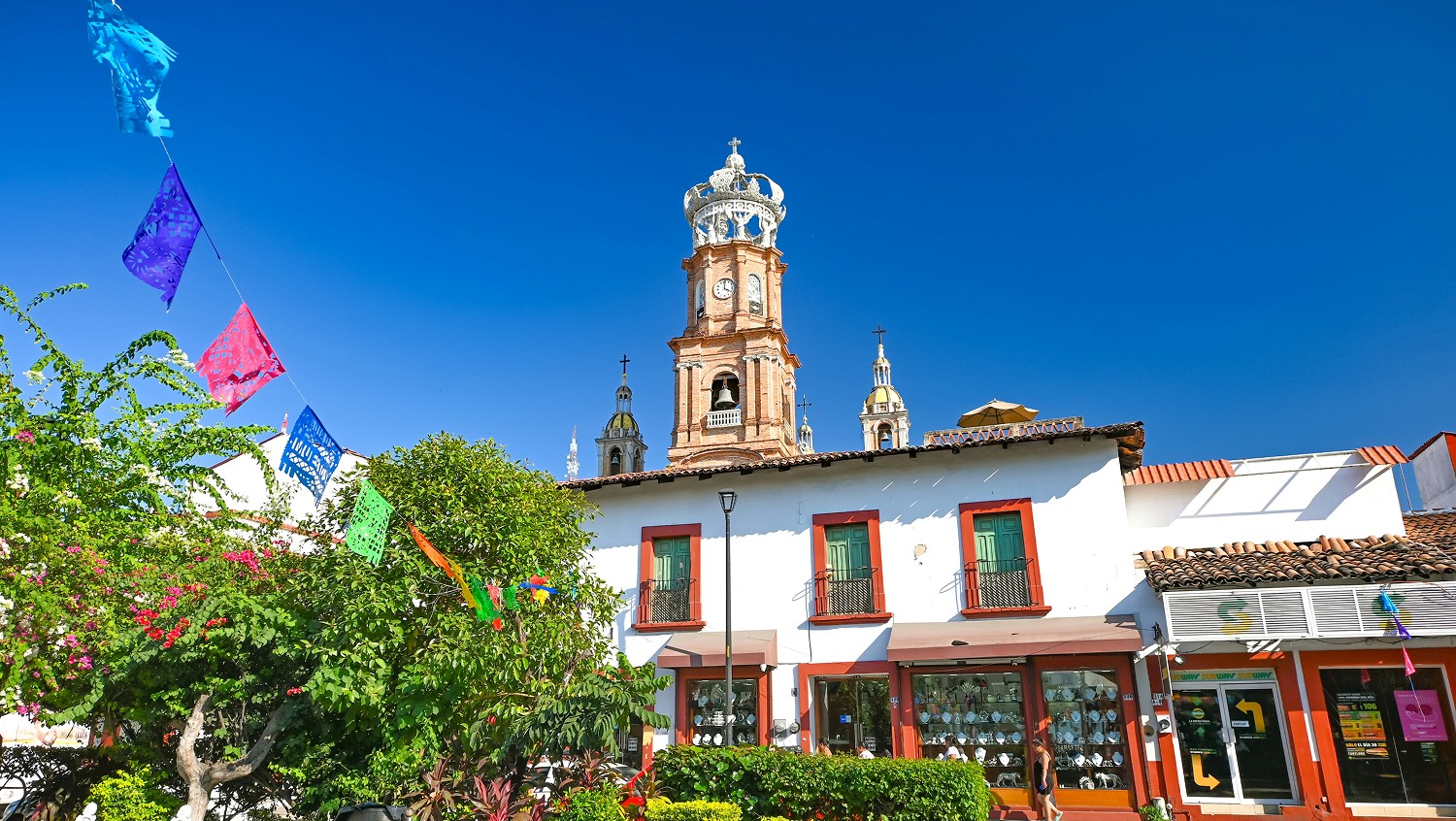
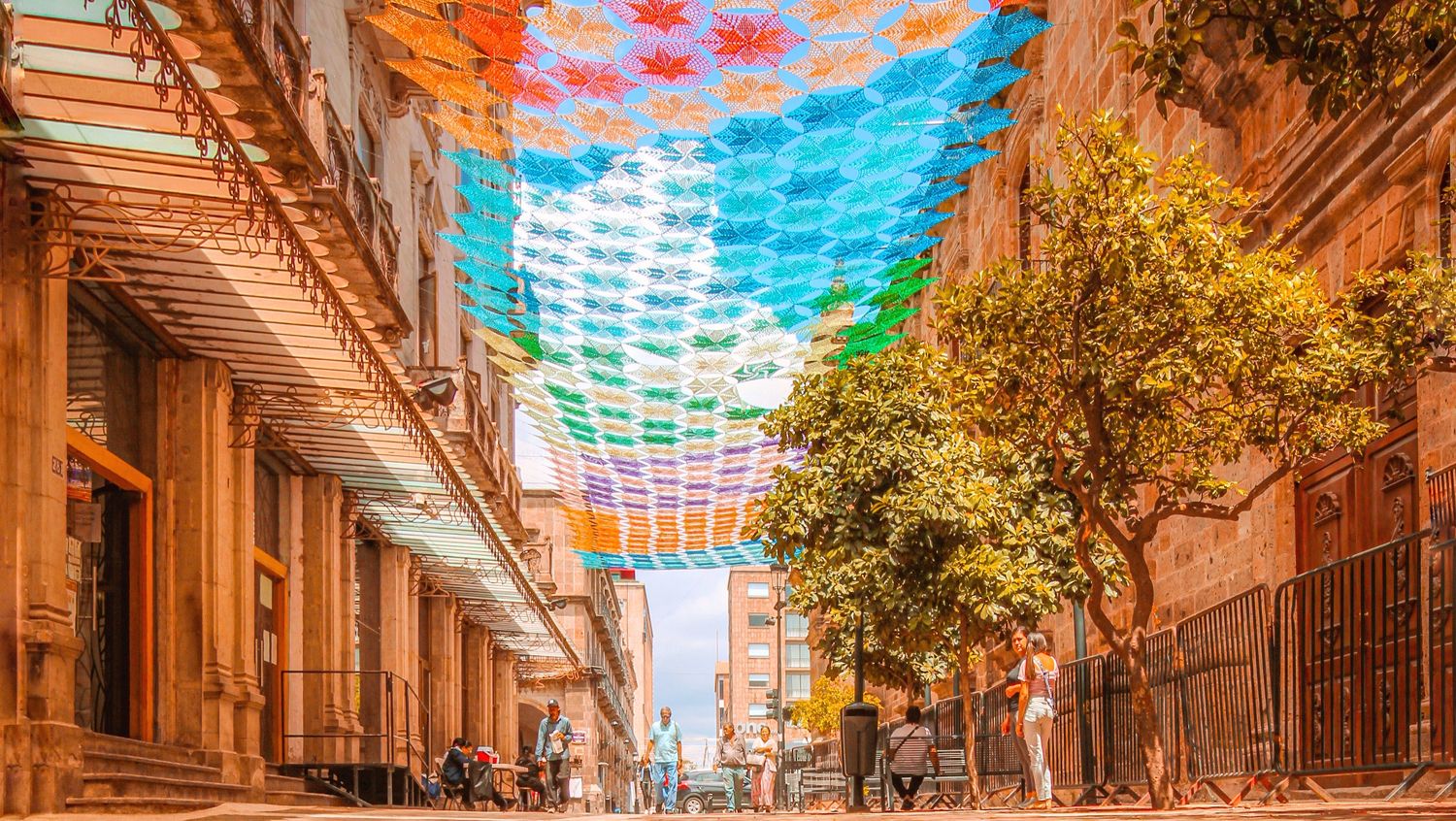
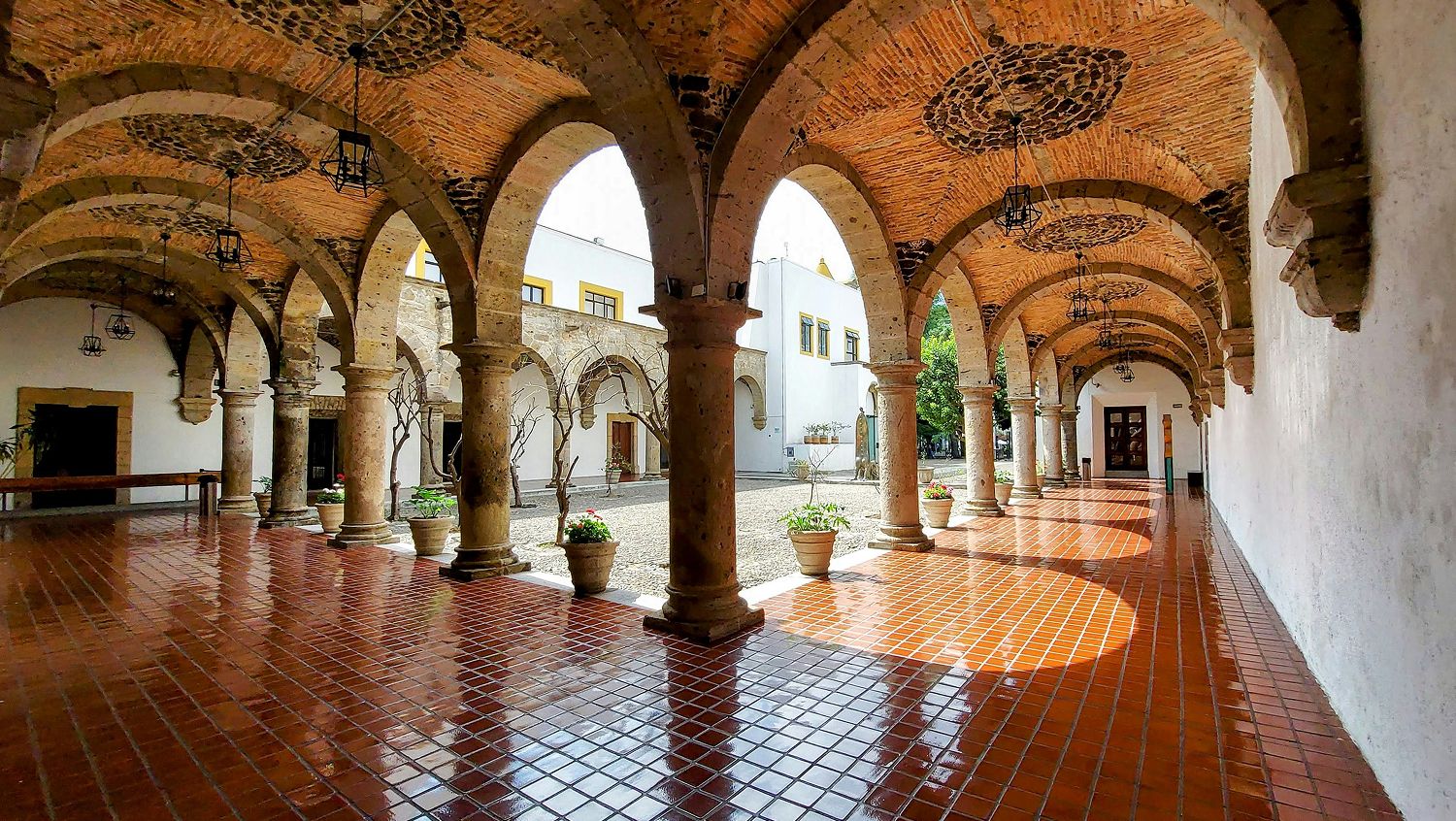
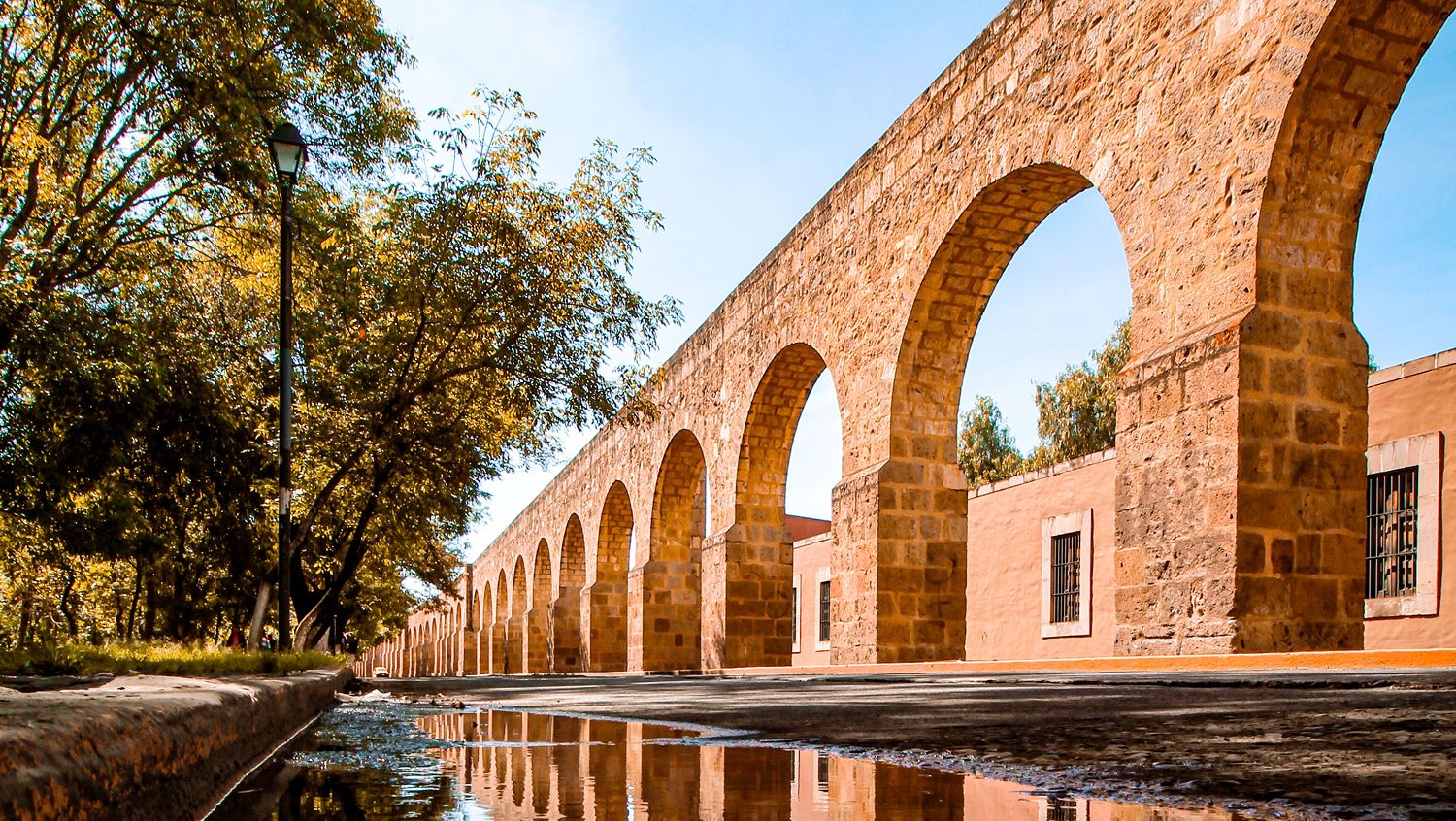
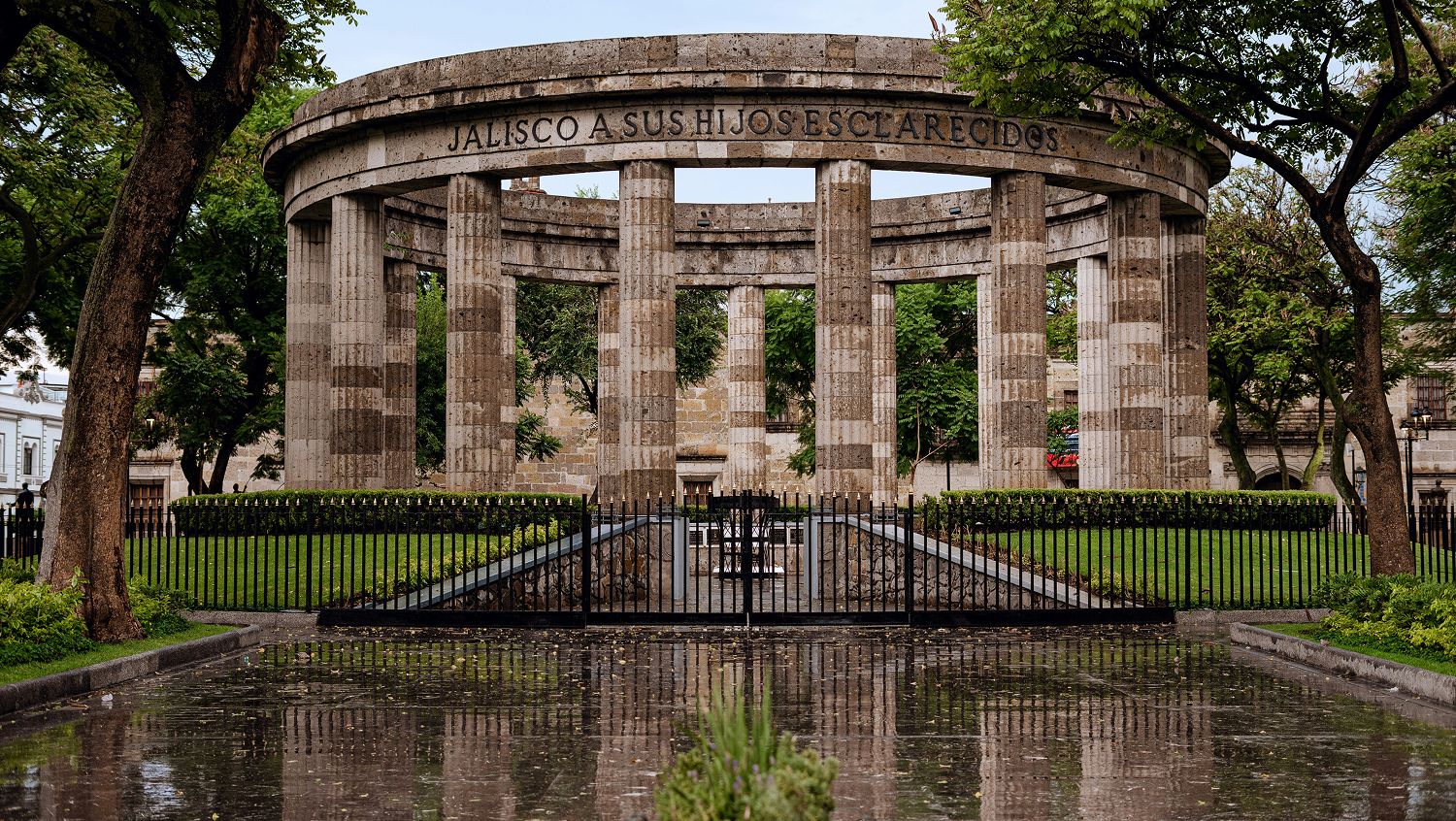
While Mexico City remains the traditional production center, Guadalajara has emerged as the leading nearshore alternative. Known as Mexico’s Silicon Valley for its technology density and talent base, the city offers advanced facilities, diverse locations, and state-level incentives that make it meaningfully more cost-efficient than the capital. The talent pool, gear availability, and post-production capabilities in western Mexico now match what any international agency would expect from a tier-1 market.
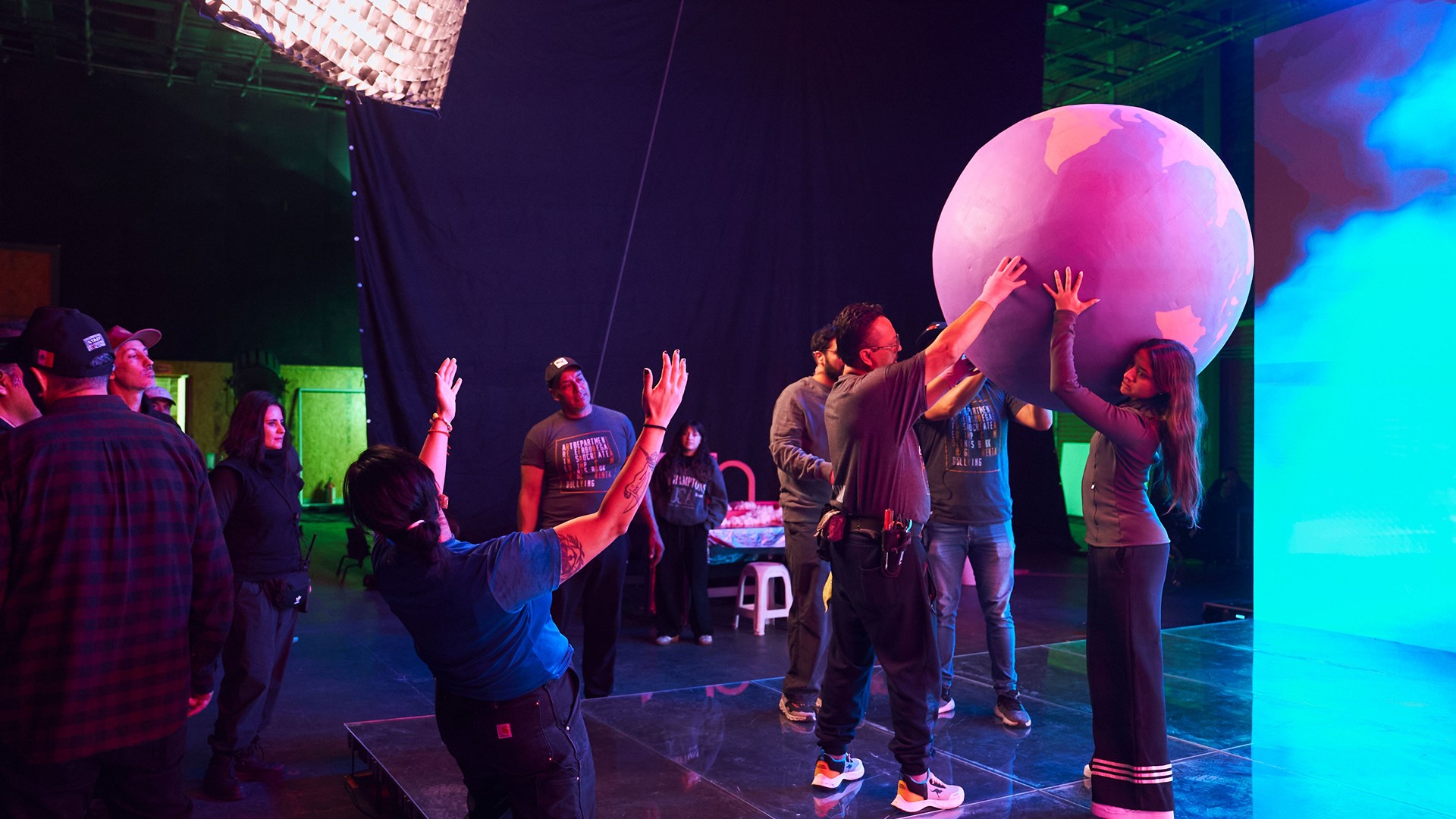
How much does it cost to film a commercial in Mexico?
According to Filma Jalisco, production costs in Guadalajara run 50% lower than Los Angeles and 20% lower than Mexico City. The Filma Jalisco Cash Rebate program backs this up structurally: in 2024 alone, 189 audiovisual productions were carried out in Jalisco, generating an economic impact of 950 million pesos and more than 4,900 direct and indirect jobs. The program reimburses up to 40% of qualifying audiovisual service expenses per project.
On the content production side, the savings pattern is consistent across markets. The 2025 Global Benchmark Report for Content Production found that over 1 in 3 companies (37%) save 40 to 60% using an offshore production model, with 53% expecting at least 40% savings on video post-production specifically. Mexico, and Guadalajara in particular, sits at the higher end of that range because the cost differential comes without the quality trade-offs typically associated with offshore production.
The practical implication: a budget that funds a two-day studio shoot in Los Angeles can cover a multi-location cinematic campaign in Jalisco.
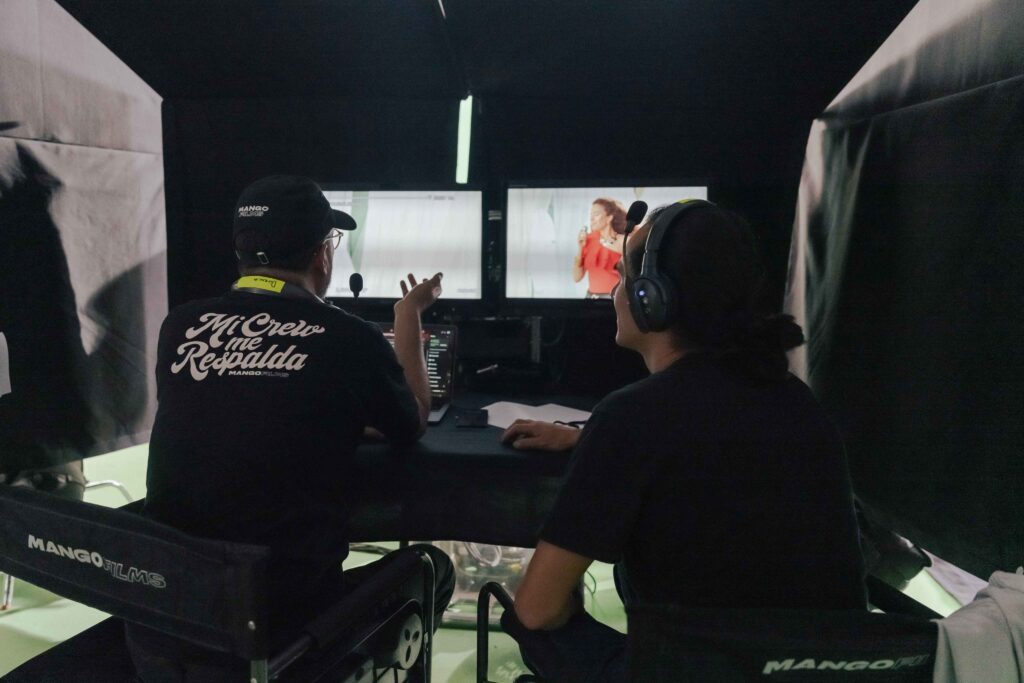

What are the legal requirements for foreign video productions in Mexico?
Foreign productions in Mexico require temporary work visas for international crew, official filming permits from municipal or state authorities, and ATA Carnet customs clearances for proprietary equipment. In Jalisco, permits are processed through Filma en Jalisco, which has streamlined approval timelines specifically to attract international productions. Labor contracts need to align with local production association standards to ensure crews are properly compensated and insured.
The most efficient way to navigate all three layers is through an established local production partner, who handles compliance while keeping the international team focused on the work.
Why are global brands hiring Mexican directors for corporate and commercial video?
Global brands hire Mexican directors because they deliver cinematic aesthetics and emotional storytelling shaped by one of the world’s strongest film cultures, at a fraction of the cost of comparable talent in the US or Europe. The result is work that reads as global, not regional. Recent campaigns demonstrate the range. Campaigns for Hyundai and Huawei, directed by Danny Casas and Eduardo Ávila, used hyper-polished lighting and fast-paced visual narratives built for global broadcast. All three directors are part of the Mango Films roster. For a deeper look at what distinguishes each director’s visual language, see our breakdown of the directors redefining creative video production in Mexico.
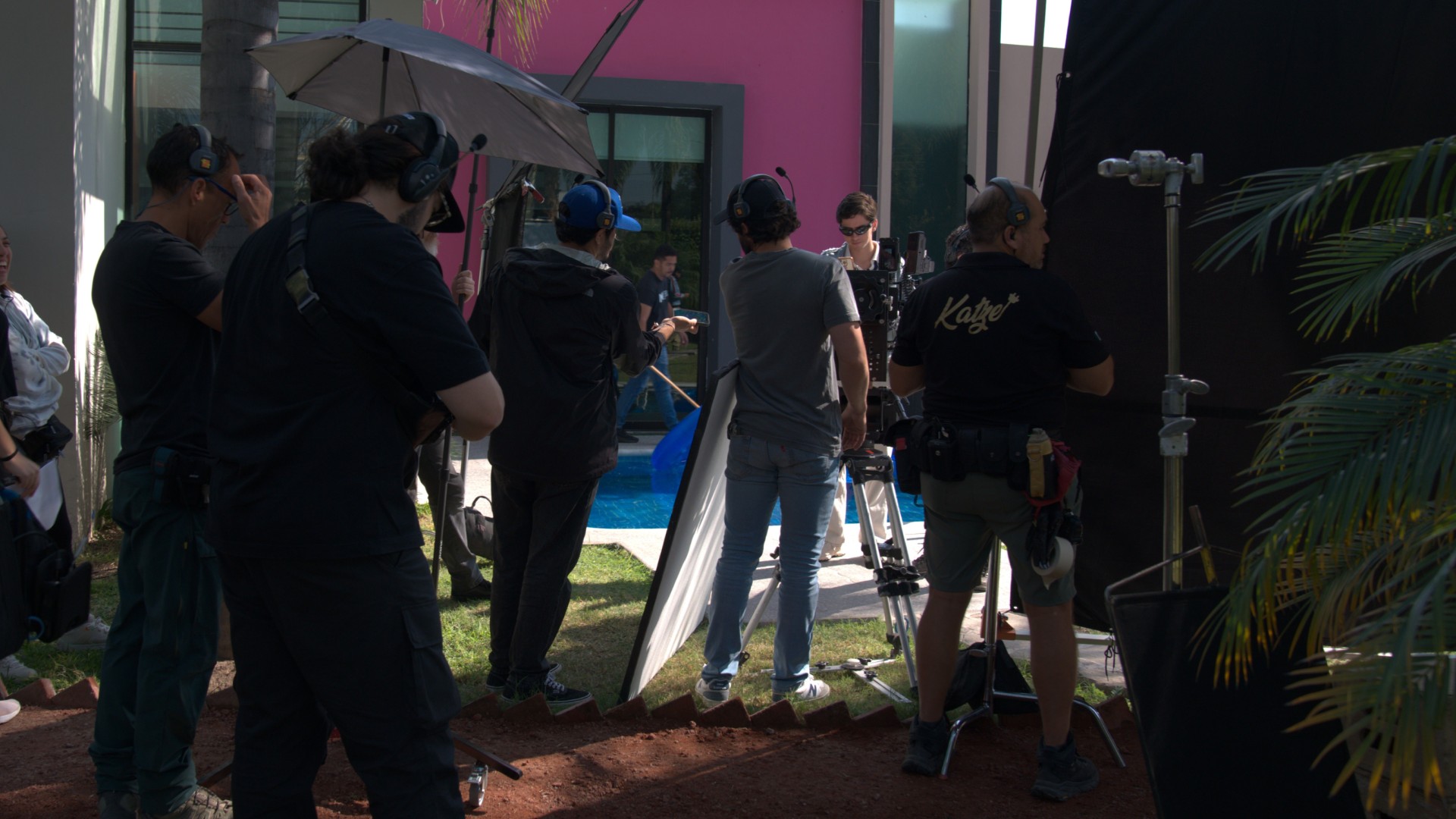
How do Mexico’s state-level incentives compare to other production hubs?
Jalisco TV announced that the “Programa de Incentivos Filma 2026” has a total budget of 92.5 million pesos distributed across three strategic lines. The Cash Rebate line receives 70 million pesos, directed at productions that incur qualifying expenses in Jalisco and generate economic impact in the state.
The Cash Rebate is open to both local and international productions. Foreign companies qualify by contracting a Jalisco-based production company through a Production Services Agreement (PSA), making it directly accessible to international agencies working with a local studio partner. The program is structured into two tiers based on minimum investment thresholds in the state, with annual call for applications published through the official Filma Jalisco portal. Eligibility requirements and deadlines are updated each cycle, so confirming the current convocatoria directly with Filma Jalisco before budgeting is recommended.
This 2026, Filma Jalisco introduced the Coproducción Internacional fund, with a 10 million peso allocation, designed specifically to support alliances between Jalisco-based production companies and international partners, with the goal of positioning Jalisco as a global creative hub. For international brands considering a co-production structure with a Jalisco-based studio like Mango Films, this fund creates an additional financial incentive for the local partner, which can translate into more competitive project terms.
Beyond the incentives themselves, Filma Jalisco provides logistical support including security coordination, closed-street access, and facilitated use of public and historical locations. All permitting for productions in the state is processed through filma.jalisco.gob.mx.

The multicultural advertising advantage: reaching the US Hispanic market
According to the 2025 Latino Donor Collaborative U.S. Latino GDP Report, Latino purchasing power in the United States has reached $4.1 trillion, with the U.S. Latino GDP ranking as the fifth largest economy in the world if considered independently. According to a report made by Nielsen IQ, Hispanic shoppers represent $2.7 trillion in spending power and contribute 23% of U.S. dollar growth. Brands that miss cultural nuance in content aimed at this audience lose ground to those that get it right.
Culture-first content is not a post-production decision. It starts with who is directing, who is on set, and what references the creative team is pulling from. That depth does not come from dubbing a spot into Spanish. It comes from the bilingual crew, the English-speaking directors, and the environment where the work is made.
Full-service production vs. production services: how Mango Films works with international clients
You can explore how we structure international projects on our production services page.
The Case Is Already Made
Key Takeaways
- Mexico has become one of the world’s most competitive hubs for high-end commercial production, offering international brands 30 to 50% lower costs than the US or Western Europe without sacrificing cinematic quality.
- Guadalajara serves as a premier nearshore alternative to Mexico City, matching tier-1 market expectations with advanced facilities, diverse locations, and bilingual crews.
- The Filma Jalisco program provides significant financial incentives, reimbursing up to 40% of qualifying expenses through its Cash Rebate and supporting global alliances through the new 2026 International Co-production fund.
- Producing in Mexico embeds structural cultural authenticity into campaigns, creating a vital advantage for brands targeting the $4.1 trillion U.S. Hispanic market.
- Mango Films adapts to client workflows by operating dually as a line production service handling local logistics for established teams, or as a full-service creative studio leading end-to-end execution.